Baby clothing has changed a great deal over the centuries, shaped by ideas about health, by textile technology and by fashion. Museum collections hold many examples, and they show how different the past was from today’s bodysuits and sleepers.
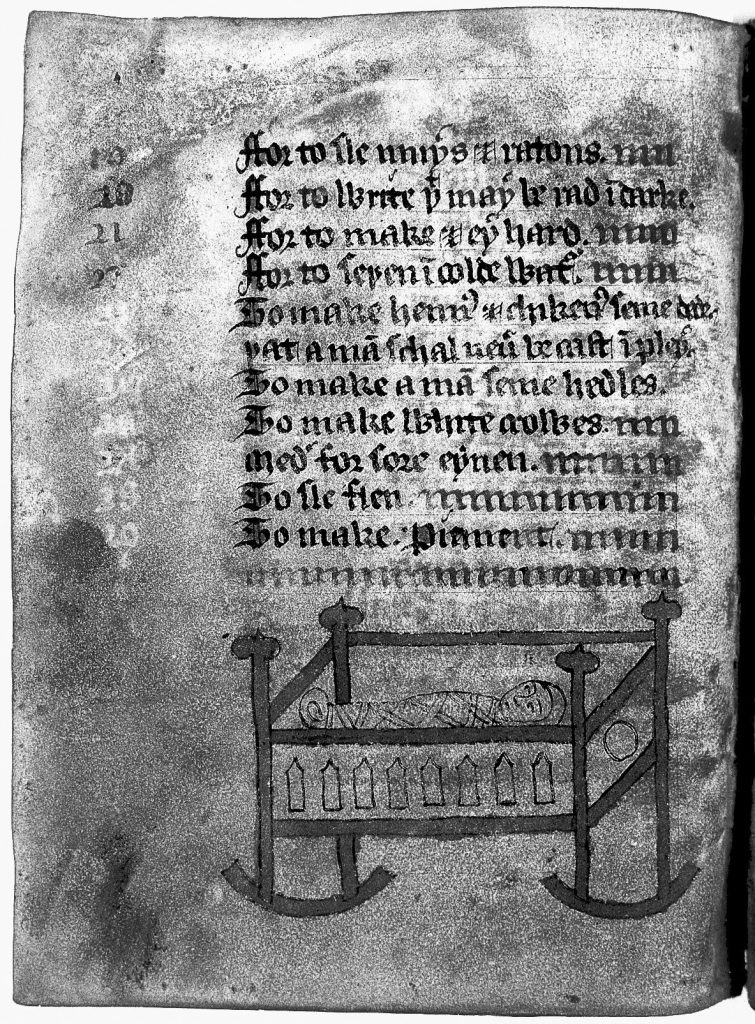
Swaddling
For much of European history, newborns were tightly wrapped in linen bands for their first months. People believed this kept limbs straight and the baby warm. From the eighteenth century, writers including the philosopher John Locke and later Jean-Jacques Rousseau criticised tight swaddling, and the practice gradually declined in Western Europe.

Long gowns and short coating
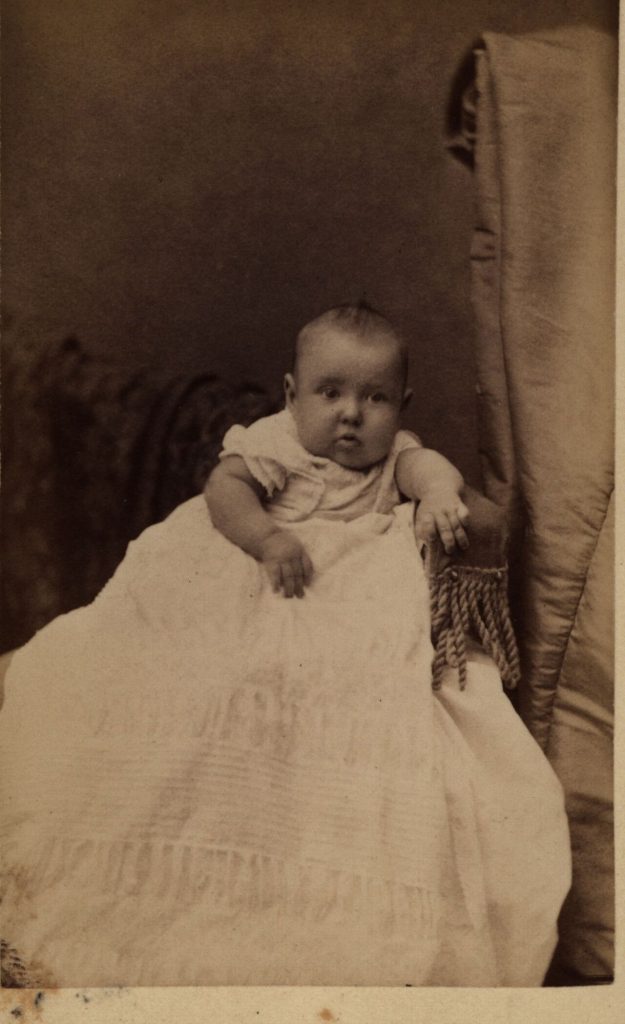
In the eighteenth and nineteenth centuries, infants of both sexes commonly wore long white gowns, often much longer than the baby. Around the time a baby began to crawl, they were “short-coated” into ankle-length dresses. White cotton and linen could be boiled and bleached, which partly explains the preference for white.
Christening gowns
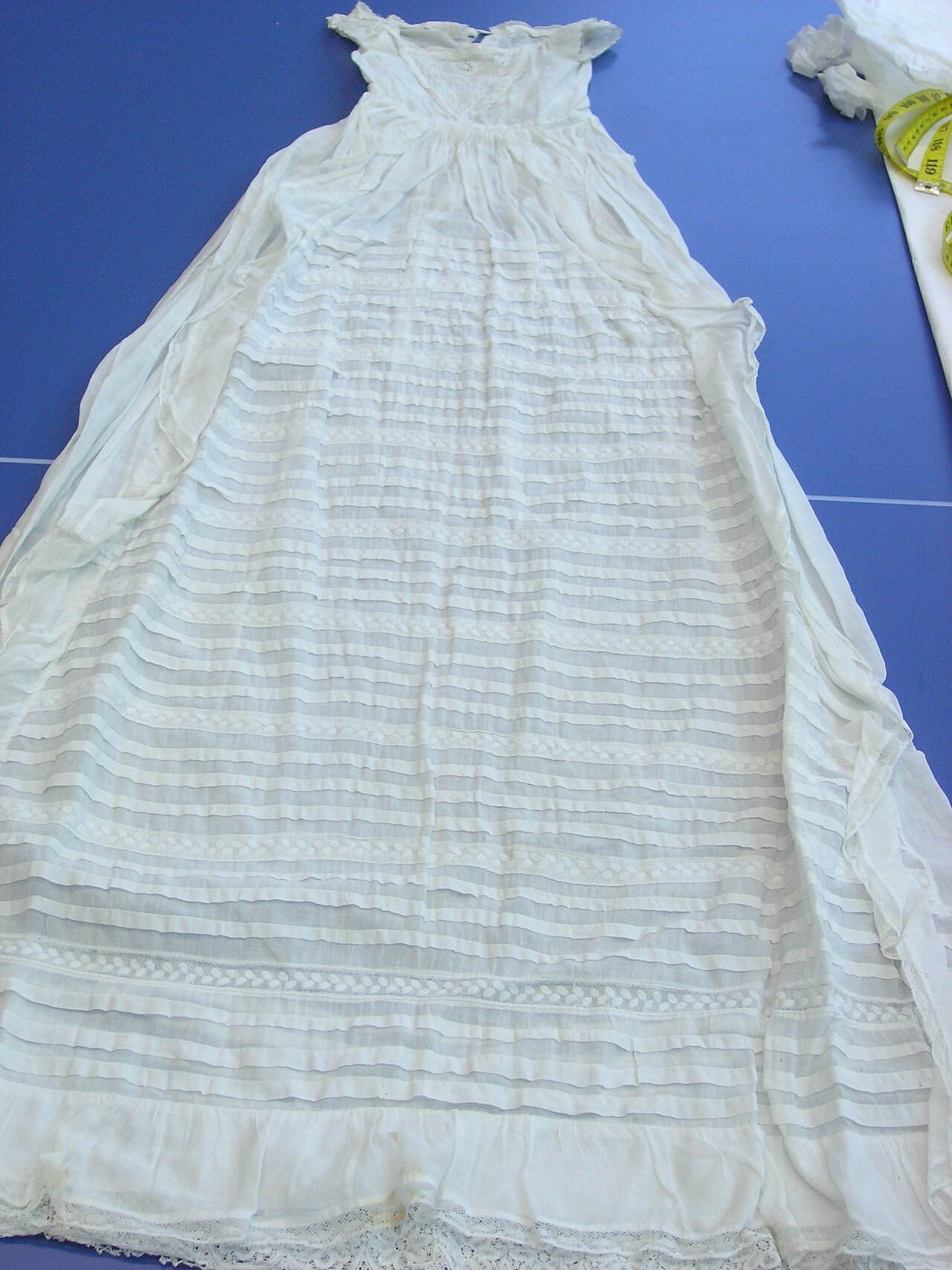

Christening gowns are among the most carefully preserved baby garments. Made of fine cotton or silk with lace, embroidery and tucks, they were often handed down through generations. Many examples survive in museum collections today, like the one shown here from the Auckland War Memorial Museum.
Dresses for boys
Until the early twentieth century, young boys in Europe and North America usually wore dresses until they were “breeched” (put into trousers) at around four to seven years old. Colour coding by sex, such as pink and blue, became widespread only in the mid-twentieth century.

Rompers and practical clothing
In the early twentieth century, rompers and playsuits gave crawling children more freedom. Knitted wool garments were common until mid-century. After the Second World War, cotton knits, snap fasteners and later synthetic stretch fabrics made the footed sleepsuit and the bodysuit everyday items.
Today
Modern baby clothing focuses on easy changes, stretch and washability, with fashion trends from adult clothing appearing in miniature. Safety rules for small parts, drawstrings and sleepwear flammability now shape garment design in many countries.
Clothing in other cultures
European history is only one part of the story. Around the world, many cultures developed their own ways of dressing and carrying babies, shaped by climate and materials. Cradleboards were used by many Indigenous peoples of North America, with the baby wrapped and laced into a board that could be carried or propped up. In Japan and Korea, babies were carried in wraps and dressed in layered garments. In the Arctic, Inuit mothers carried babies inside the large hood of the amauti parka. Museums such as the British Museum and national collections in many countries hold examples.
Bonnets, caps and bibs
Close-fitting caps and bonnets were worn by babies for centuries in Europe, often several layered together. Elaborately embroidered caps were sometimes made for baptisms. Bibs, sometimes called pinafores in their larger form, protected expensive garments from spills, and many decorated examples survive. Today, health guidance advises against hats for indoor sleep, but outdoor hats remain common for warmth and sun.
Nappies through history
Early nappies were folded cloths of linen or cotton, held with pins and covered by wool or later rubberised pants. The safety pin, patented in the United States in 1849, made fastening easier. Disposable nappies appeared in the mid-twentieth century and became widespread from the 1960s and 1970s, changing how baby clothing was cut: slimmer nappies meant slimmer trousers and the snap-crotch bodysuit.
The modern sleepsuit
The stretchy, footed one-piece garment that many families now call a sleeper or babygrow became popular in the mid-twentieth century. Its development is associated with American designer Walter Artzt, who patented a stretch-fabric one-piece in the 1950s. The garment was soon adapted by manufacturers around the world, and it remains a basic part of most babies’ wardrobes.
Fashion and childhood
From the twentieth century, children’s clothing increasingly reflected adult fashion. Sailor suits for boys and girls were popular from the late nineteenth century into the early twentieth. Mass production, department stores and later branded children’s wear spread trends quickly. Today, miniature versions of adult styles, organic and minimal basics, and vintage-inspired designs all coexist.
Safety shapes design
Many modern features of baby clothing come from safety regulation. In the United States, children’s sleepwear flammability standards were introduced in the early 1970s. Guidance on drawstrings in children’s outerwear followed in the 1990s, and limits on lead and phthalates in children’s products were set by law in 2008. Similar rules exist in other countries. These rules are why baby sleepwear is often snug-fitting and why hood drawstrings are rare on children’s coats. See the U.S. Consumer Product Safety Commission (CPSC) for current requirements, and our clothing safety guide.
Caring for heirloom garments
Families who keep old christening gowns or other baby clothes can help them last by storing them clean, dry and away from light, wrapped in acid-free tissue rather than plastic. Avoid hanging heavy garments for long periods, which strains seams. For valuable or very old items, a textile conservator or local museum can advise on cleaning and storage. If an heirloom garment is used again, check it carefully for weak seams and loose decorations first.
Seeing historical baby clothes
Museum websites let you browse digitised baby garments, often with close-up photos of the stitching. Searching a collection for terms such as “christening gown”, “infant’s cap” or “baby dress” brings up examples.
Further reading
Many museums publish their collections online, including the V&A Museum of Childhood and the Auckland Museum collection.
Discover more from Baby Fashion
Subscribe to get the latest posts sent to your email.