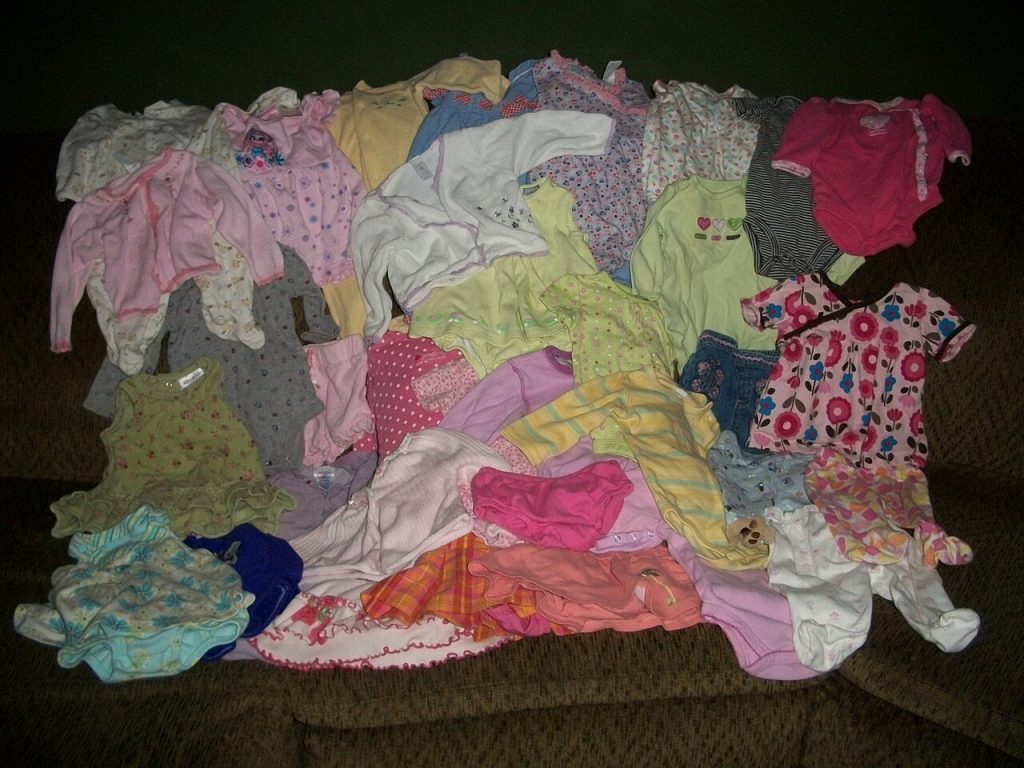
Babies outgrow clothes quickly, so secondhand and hand-me-down clothing is a practical and lower-waste option. Most used clothes are perfectly fine. A quick inspection catches the few that aren’t.
Inspection checklist
- Fasteners: snaps close firmly, zips run smoothly, buttons are secure.
- Decorations: no loose beads, sequins, bows or appliqués.
- Drawstrings: none at the neck or hood. Remove cords from older items.
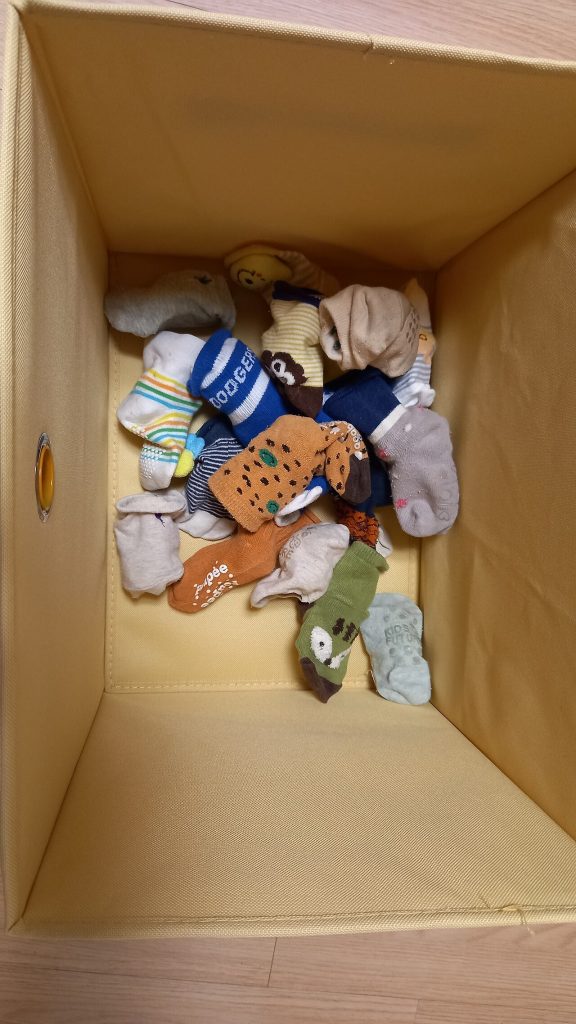
- Threads: check inside mittens, socks and footed sleepers for long loose threads.
- Elastic: still stretchy, not perished or overly tight.
- Fabric: no holes or thin patches that will tear further.
- Labels: if possible, check size and care labels, including any “snug-fitting” note on sleepwear.

Check recalls
Clothing is recalled less often than gear, but it does happen, mostly for small parts or drawstrings. Search the CPSC recall list by brand and product name. For secondhand gear such as car seats, cribs or carriers, take extra care. Many of those products have expiry dates and recall histories, so follow the manufacturer’s instructions and U.S. Consumer Product Safety Commission (CPSC) guidance.
Washing hand-me-downs
Wash all secondhand clothes before use. See our washing guide. Stains that have set are usually cosmetic. Strong odours or mildew may not wash out, so skip those items.
Where people find used baby clothes
- Family and friends’ hand-me-downs
- Charity and thrift shops
- Local parent groups and swap events
- Consignment sales
- Community listing sites
Passing clothes on
Once clothes are outgrown, wash them, check them with the same list, and bag them by size. Damaged items can often go to textile recycling rather than to another family.
What to avoid buying secondhand
- Clothing with neck or hood drawstrings that can’t be removed.
- Items with many small decorations that are hard to check, such as sequinned or beaded outfits.
- Sleepwear without labels, if you need to know whether it is flame-resistant or snug-fitting.
- Shoes that have moulded closely to another child’s feet, if you have concerns about fit.
- Anything with mould, strong odours or signs of pests.
Secondhand gear: take extra care
This guide is about clothing, but secondhand shopping often includes baby gear too. Car seats, cribs, cots, play yards, sleep products and carriers carry higher safety stakes. Many car seats have expiry dates, and a seat that has been in a crash may need replacing even if it looks fine; check the manufacturer’s instructions and NHTSA car seat guidance guidance. Older cribs may not meet current standards, and inclined sleepers have been recalled. Search the CPSC recall list for any gear, and follow NIH Safe to Sleep guidance for sleep spaces.
Getting good value
- Buy basics such as bodysuits, sleepers and leggings in bundles by size.
- Look for quality fabrics and construction that have already been through washes.
- Shop a size or two ahead for the next season.
- Check seams at the crotch and underarms, which wear first.
- Ask sellers about smoke-free or pet-free homes if that matters to you.
Swaps and community exchanges
Clothing swaps, often run by parent groups, libraries or community centres, let families exchange outgrown clothes without money changing hands. They are a good source of larger sizes and seasonal items. When donating to a swap, check items with the same list you would use when buying, so the next family gets safe, clean clothing.
Hand-me-downs within families
Clothes passed down from siblings or cousins are often the most trusted secondhand items. Even so, styles and safety rules change; older items may have drawstrings or decorations that aren’t used in children’s clothing today. Look them over carefully, especially if they’ve been stored for several years. Heirloom garments are covered in our history of baby fashion.
Storing clothes for later
- Wash and fully dry before storing.
- Sort by size and label the containers.
- Use breathable storage away from damp and direct light.
- Rewash before use; stored items can pick up dust and odours.
- Check elastic and fastenings again when you take items out.

Environmental benefits
Producing new textiles uses water, energy and chemicals, and much clothing ends up in landfill. Keeping baby clothes in use for longer, through hand-me-downs, resale and swaps, reduces that impact. For items too worn to pass on, textile recycling schemes, often run by councils or charities, can take them. Choosing durable fabrics in the first place helps; see our fabric guide.
Selling or donating
If you sell or donate baby clothes, wash them, check them against the inspection list above, and describe sizes and any wear honestly. Remove drawstrings at the neck or hood before passing items on. Many charities accept children’s clothing but not damaged items, so send those to textile recycling instead. Never pass on items that are on a recall list; search the CPSC recall list if you’re unsure.
Hygiene and wear
A standard wash is generally enough for secondhand clothing in good condition. Items that look faded or pilled are usually fine to wear; holes at seams, broken snaps and perished elastic are signs an item is near the end of its life. If anyone in your household has specific health concerns, ask your health professional for laundry advice.
Buying secondhand doesn’t mean lowering standards. The same inspection, washing and recall checks used for new clothes make used clothing a safe, practical choice for most families.
This article is general information about clothing, not medical advice. For questions about your baby’s health, skin or sleep, talk to your pediatrician or health visitor.
Discover more from Baby Fashion
Subscribe to get the latest posts sent to your email.