Choosing what a baby wears at night is mostly about comfort and avoiding overheating, within the safe sleep guidance from public health bodies. This article summarises that guidance as it relates to clothing and links to the original sources.

Start with the official guidance
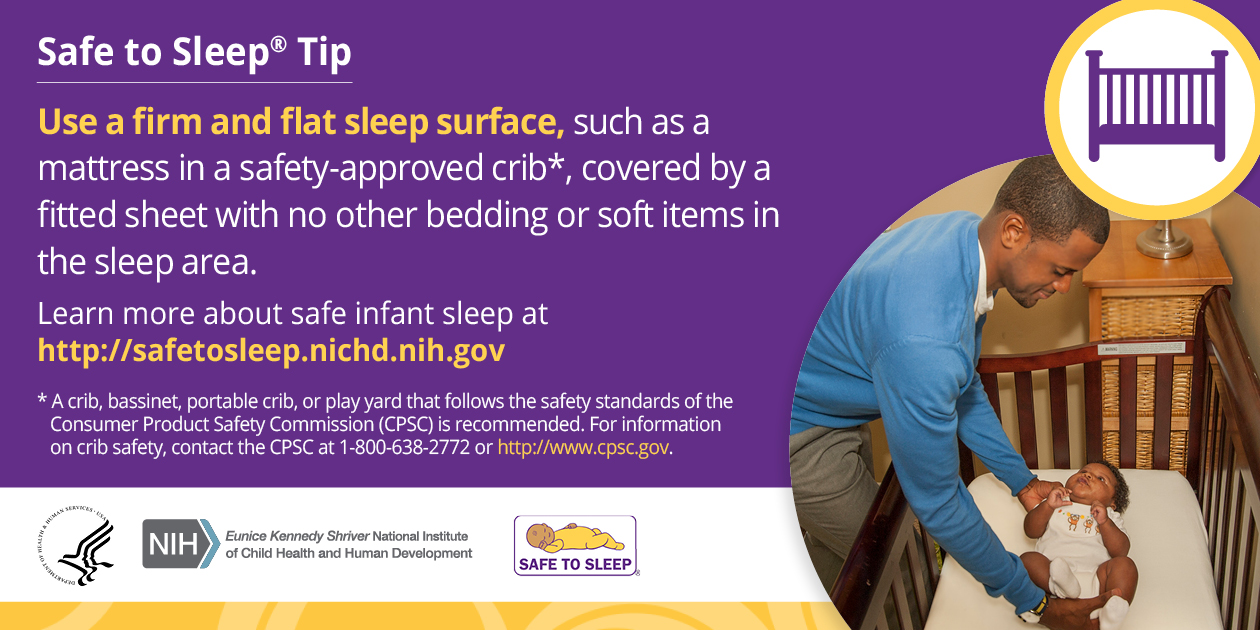
The NIH Safe to Sleep campaign and the American Academy of Pediatrics safe sleep guidance recommend placing babies on their backs to sleep, on a firm, flat surface with a fitted sheet, and keeping soft objects and loose bedding out of the sleep space. Clothing choices should fit around these recommendations. Please read the original guidance; this article doesn’t replace it.
Sleepwear
- A well-fitting sleeper or a bodysuit plus trousers, depending on room temperature.
- In the US, children’s sleepwear from size 9 months up must be flame-resistant or snug-fitting under federal rules (see U.S. Consumer Product Safety Commission (CPSC)). Snug-fitting items are labelled as such.
- No hoods, strings or loose decorations on sleepwear.
Wearable blankets and sleep sacks
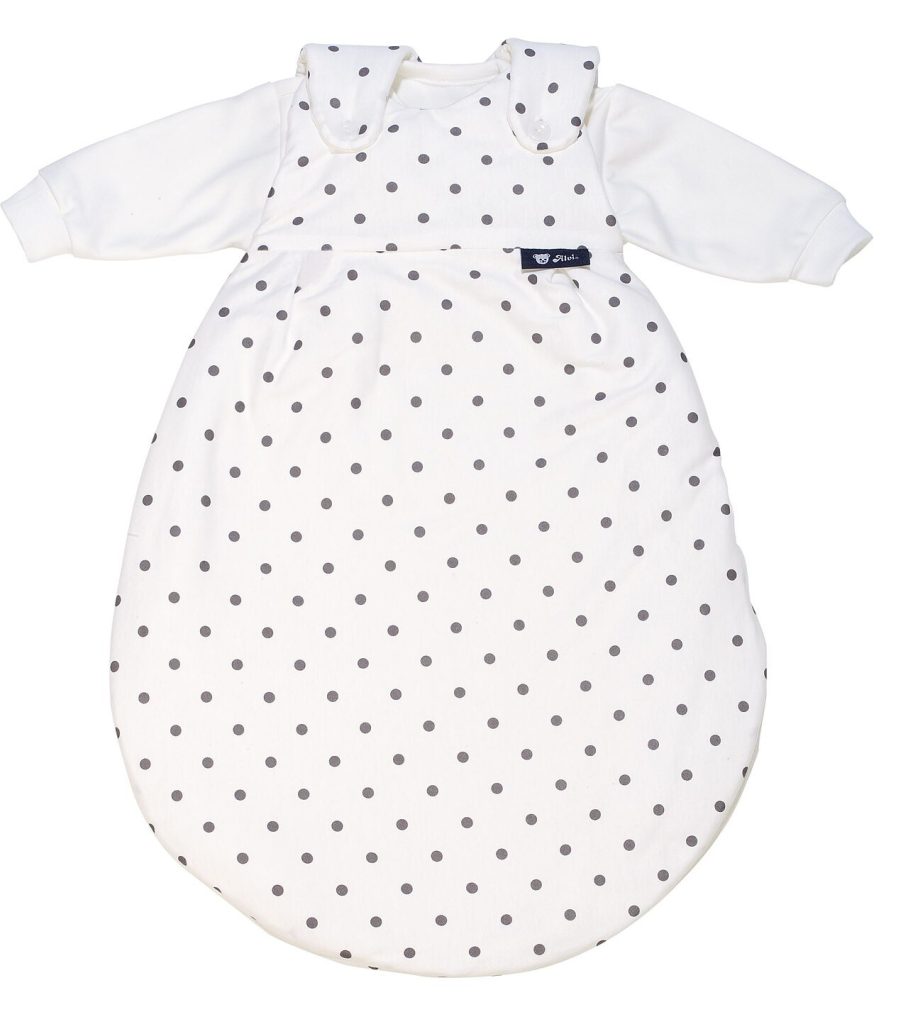
A wearable blanket replaces a loose blanket. Choose the right size so the neck and armholes cannot slip over the baby’s face, and a warmth rating that suits the room. Many products list a TOG value with a suggested room temperature range.

Swaddling
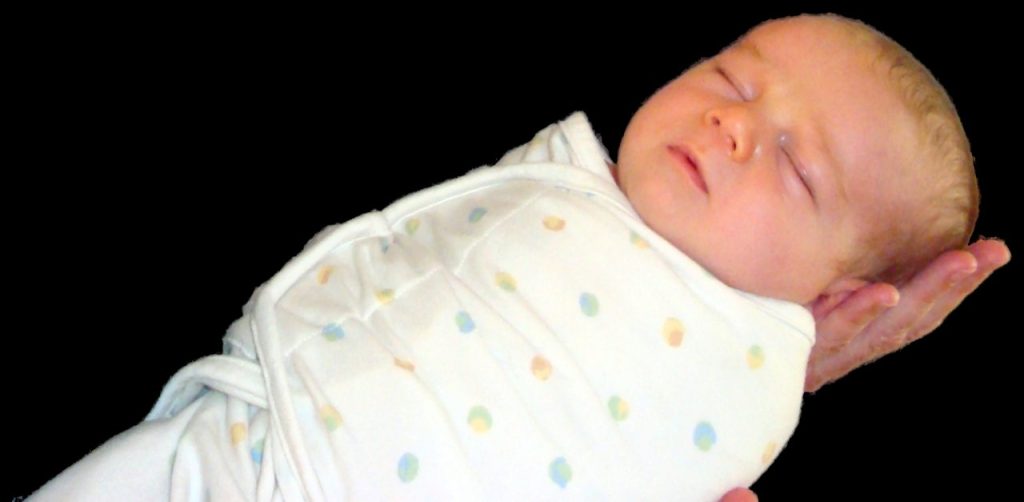
If you swaddle, the AAP advises stopping once a baby shows signs of trying to roll, and always placing a swaddled baby on their back. Leave room at the hips for the legs to bend. Weighted sleep sacks and weighted swaddles are not recommended by the AAP.

Avoid overheating
- Dress the baby for the room, often in no more than one layer more than an adult would wear.
- No hats indoors for sleep.
- Check the back of the neck or chest for warmth or sweating.
Choosing a sleep sack warmth
Many sleep sacks carry a TOG rating with a suggested room temperature range. As a rough illustration, lower ratings (around 0.5–1.0) are designed for warm rooms, mid ratings (around 2.5) for typical cooler rooms, and higher ratings for cold rooms. What the baby wears underneath also changes the total warmth; manufacturers often give suggestions such as a short-sleeved bodysuit under a lighter sack in summer and a long-sleeved sleeper under a warmer sack in winter. A room thermometer makes these choices easier.
Sleepwear features to look for
- Zips with a fabric guard at the top so the zip pull doesn’t rub the chin.
- No hoods, ties, strings, ribbons or loose decorations.
- A snug fit for sleepwear labelled “snug-fitting”, as intended by the manufacturer.
- Soft, flat seams and printed or removable labels.
- For sleep sacks, armholes and neck openings that fit the baby’s current size.
What not to use
Safe sleep guidance from NIH Safe to Sleep and the American Academy of Pediatrics safe sleep guidance advises keeping the sleep space clear of loose blankets, pillows, bumpers, soft toys and positioners. The AAP doesn’t recommend weighted sleep sacks, weighted swaddles or other weighted products for infant sleep. Necklaces, teething jewellery, headbands and hair accessories should be removed before sleep. Hats shouldn’t be worn for indoor sleep.
Transitioning out of swaddling
When a baby starts showing signs of trying to roll, the AAP advises stopping swaddling. Many families move to a sleeveless sleep sack, or to one that allows the arms out, at this point. Some products are designed as transitional sleep sacks; whichever you use, make sure the baby can move their arms freely and the product isn’t weighted. Your pediatrician can help with questions about timing.
Naps and sleep away from home
The same principles apply to naps, at a relative’s house, or while travelling. Dress the baby for the room, use a sleep sack rather than loose blankets, and place the baby on their back on a firm, flat surface. If a baby falls asleep in a car seat, stroller, swing or carrier, the AAP advises moving them to a firm, flat sleep surface when practical. Remove outdoor layers such as coats and hats when coming indoors.
Room temperature
Advice in many countries suggests a room that is comfortable for a lightly clothed adult. The UK charity The Lullaby Trust, for example, suggests 16–20 °C. Rather than adding layers for a cool room, choose a sleep sack rated for that temperature. Feeling the back of the neck or the chest gives a better sense of a baby’s warmth than hands or feet.
Sleepwear safety rules
In the United States, children’s sleepwear from size 9 months to size 14 must meet flammability standards: either flame-resistant fabric, or a snug fit that reduces the air gap between fabric and skin. Snug-fitting garments often carry a yellow hang tag. Garments for babies under 9 months are exempt from these rules. The U.S. Consumer Product Safety Commission (CPSC) has details, and the CPSC recall list lists recalled sleepwear and sleep products.
Where to find more
Checking the fit at bedtime
A quick check at bedtime covers most clothing issues: the sleep sack is the right size, the zip is closed and guarded, nothing is near the face, and there are no hats or accessories. Over time this becomes routine.
This article is general information about clothing, not medical advice. For questions about your baby’s health, skin or sleep, talk to your pediatrician or health visitor.
Discover more from Baby Fashion
Subscribe to get the latest posts sent to your email.