Baby clothing has its own vocabulary, and the terms are not always used the same way by different brands or countries. Here is a plain guide to the most common garment types.
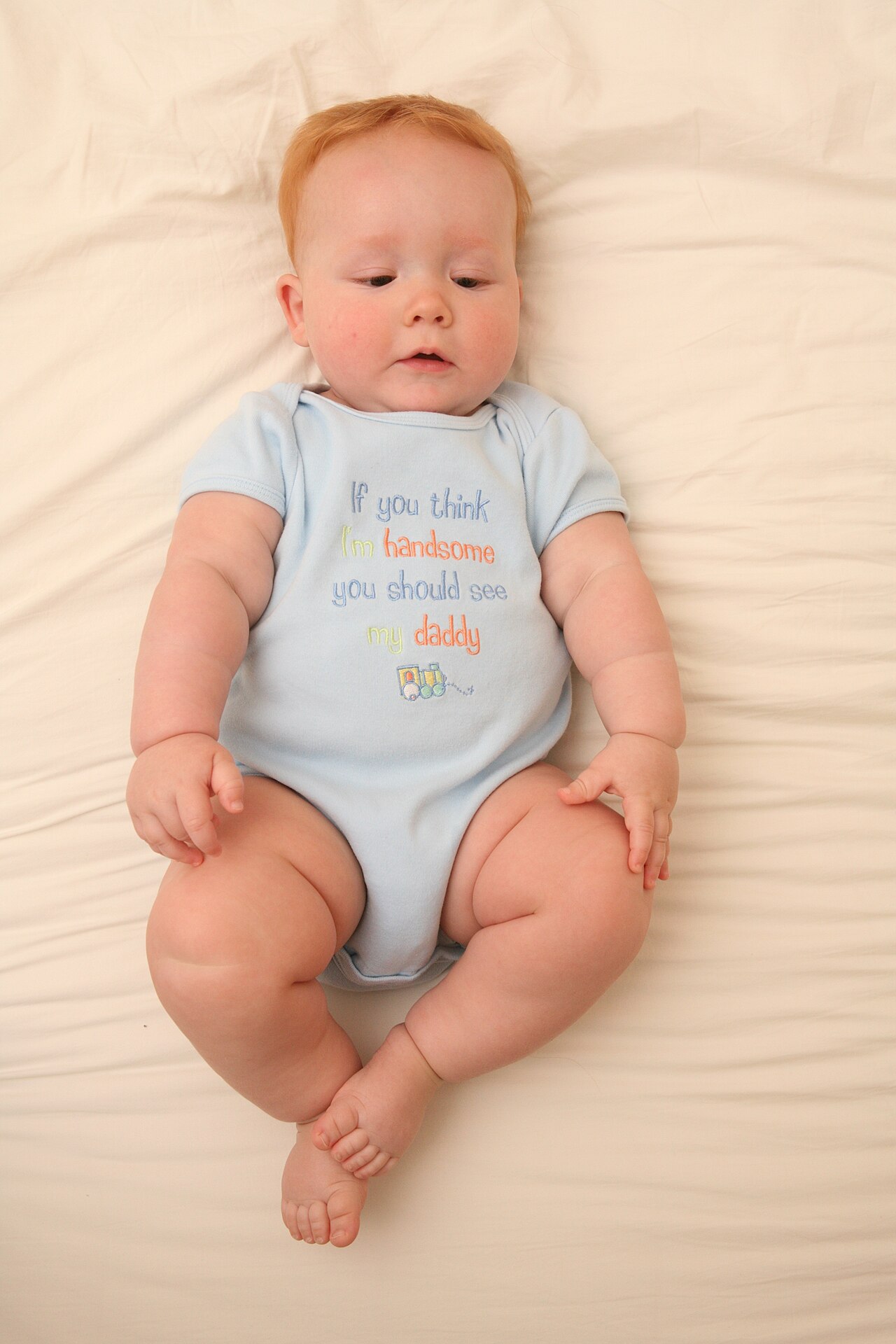

Bodysuit
A bodysuit is a T-shirt-like top that extends into snaps under the crotch, so it stays tucked in. It has no legs. In the United States it is often called a onesie, although “Onesies” is also a registered trademark of one manufacturer. Bodysuits are worn as a base layer or on their own in warm weather.
Romper
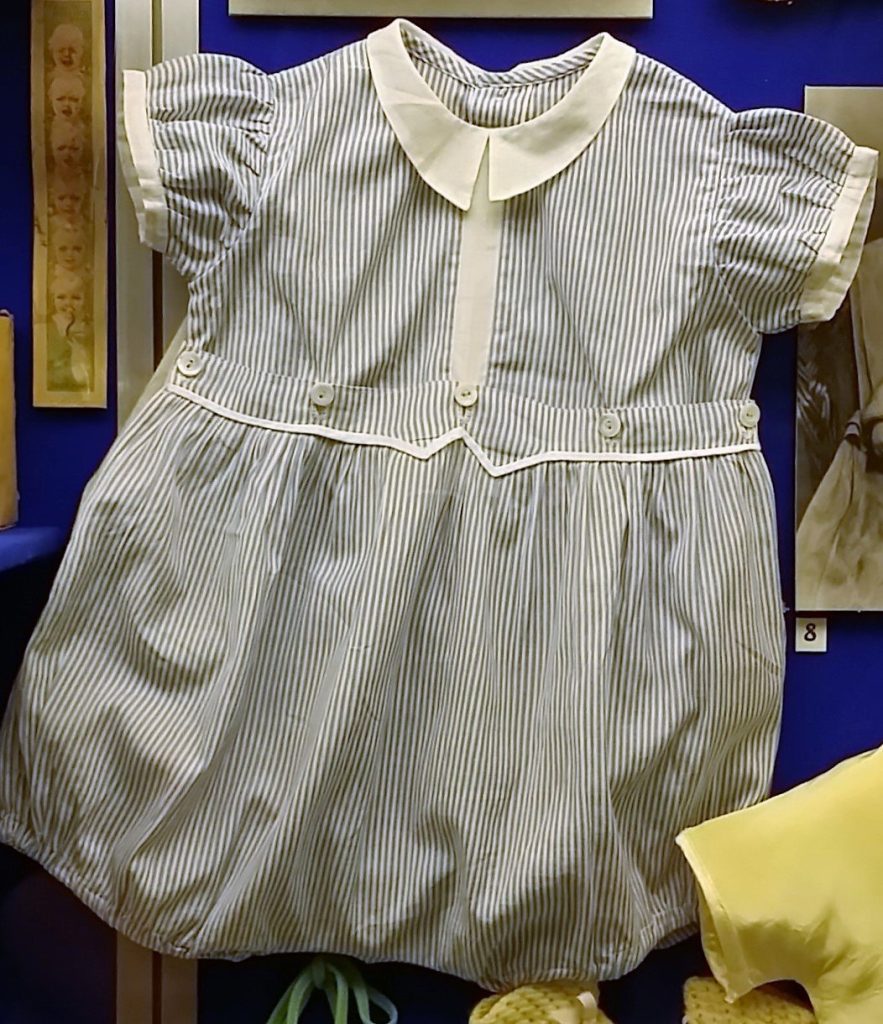
A romper is a one-piece outfit with short or long legs, worn as outerwear rather than as an undershirt. Rompers are often made from woven fabrics such as cotton poplin or linen, and many have buttons or snaps at the shoulders or crotch. The word has been used for children’s playsuits since the early twentieth century.

Sleeper, sleepsuit or babygrow
A sleeper (US), sleepsuit or babygrow (UK) is a long-sleeved, full-length one-piece, often with feet. Despite the name it is worn day and night in the early months. It fastens with snaps or a zip.
Coverall and playsuit
Coverall is a broad term for a one-piece outfit with long legs, usually without feet. Playsuit is often used for lighter, short-legged rompers. Different brands use these terms in different ways.
Sleep sack or wearable blanket
A sleep sack is a sleeveless or sleeved bag worn over sleepwear in place of a loose blanket. The NIH Safe to Sleep campaign advises keeping loose blankets out of the sleep space, and wearable blankets are a common alternative. Choose one that fits well at the neck and armholes so it cannot slip over the face.
Quick comparison
- Bodysuit: top with crotch snaps, no legs, base layer.
- Romper: one-piece outerwear, short or long legs.
- Sleeper: full-length one-piece, often footed.
- Sleep sack: wearable blanket worn over sleepwear.
Other terms you may see
- Kimono or side-snap top: a wrap-style top that fastens at the side, often used for newborns.
- Gown or nightgown: a long, open-bottom garment that makes night-time changes easier. Some have an elastic hem; check that it isn’t too tight and has no drawstring.
- Dungarees or overalls: trousers with a bib and shoulder straps, usually worn over a bodysuit or top.
- Pram suit or snowsuit: padded or fleece one-piece outerwear for cold weather. Not for use under a car-seat harness.
- Sunsuit: a lightweight romper designed for hot weather, sometimes with UPF-rated fabric.
- Swaddle: a wrap or purpose-made garment that holds the arms close to the body for young babies.
US and UK naming differences
The same garment can have different names on either side of the Atlantic. What Americans call a onesie or bodysuit, British parents may call a vest. A US sleeper is a UK sleepsuit or babygrow. The word romper is used in both, but in British usage it can also describe a one-piece with long legs. When you read size guides or reviews from another country, look at the picture rather than the name.
Fastenings
How a garment opens affects how practical it is day to day. Bodysuits almost always have snaps at the crotch, and many have envelope shoulders. Sleepers may have snaps down the front, snaps down one leg, a straight zip, or a two-way zip. Rompers often use buttons, which look smart but are slower to fasten. Whatever the fastening, check that snaps close fully and buttons are sewn on securely.
Which to choose when
- First weeks: sleepers and side-snap bodysuits are easy to put on and keep the baby covered.
- Warm days: a bodysuit on its own, or a lightweight romper.
- Cool days: a bodysuit as a base layer under a sleeper or trousers and top.
- Outings and occasions: rompers and dungarees over a bodysuit.
- Sleep: a well-fitting sleeper or bodysuit, plus a sleep sack if the room needs it.
Fabric and fit by garment
Bodysuits and sleepers are usually knit fabrics (jersey, interlock or rib) because they stretch over the head and around a moving baby. Rompers are more often woven fabrics such as poplin, chambray or linen, so they hold a shape but don’t stretch, and fit matters more. Our guide to baby clothing fabrics compares the options.
Sleepwear rules
In the United States, garments sold as children’s sleepwear from size 9 months up must meet federal flammability rules: they must be either flame-resistant or snug-fitting. Snug-fitting sleepwear usually carries a yellow hang tag and a permanent label stating that it should fit snugly. Rompers and daywear aren’t designed as sleepwear and may not meet these rules. The U.S. Consumer Product Safety Commission (CPSC) explains the requirements. For general sleep guidance, see the American Academy of Pediatrics safe sleep guidance and our article on what babies should wear to sleep.
How many of each
Bodysuits are used the most, so most families have more of them than of anything else. Sleepers come next. Rompers and dungarees are optional and depend on the climate and your style. Our newborn checklist gives realistic quantities.
Caring for each type
Knit bodysuits and sleepers usually tolerate regular warm washes, while woven rompers in linen or with prints may need gentler care. Close zips and fasten snaps before washing to reduce wear. Our washing guide covers settings and stain treatment for everyday items.
This article is general information about clothing, not medical advice. For questions about your baby’s health, skin or sleep, talk to your pediatrician or health visitor.
Discover more from Baby Fashion
Subscribe to get the latest posts sent to your email.