Most baby clothing is made from a small set of fibres. Each has trade-offs in softness, breathability, warmth, durability and ease of care. There is no single best fabric; the right choice depends on climate, season and how you do laundry.

Cotton
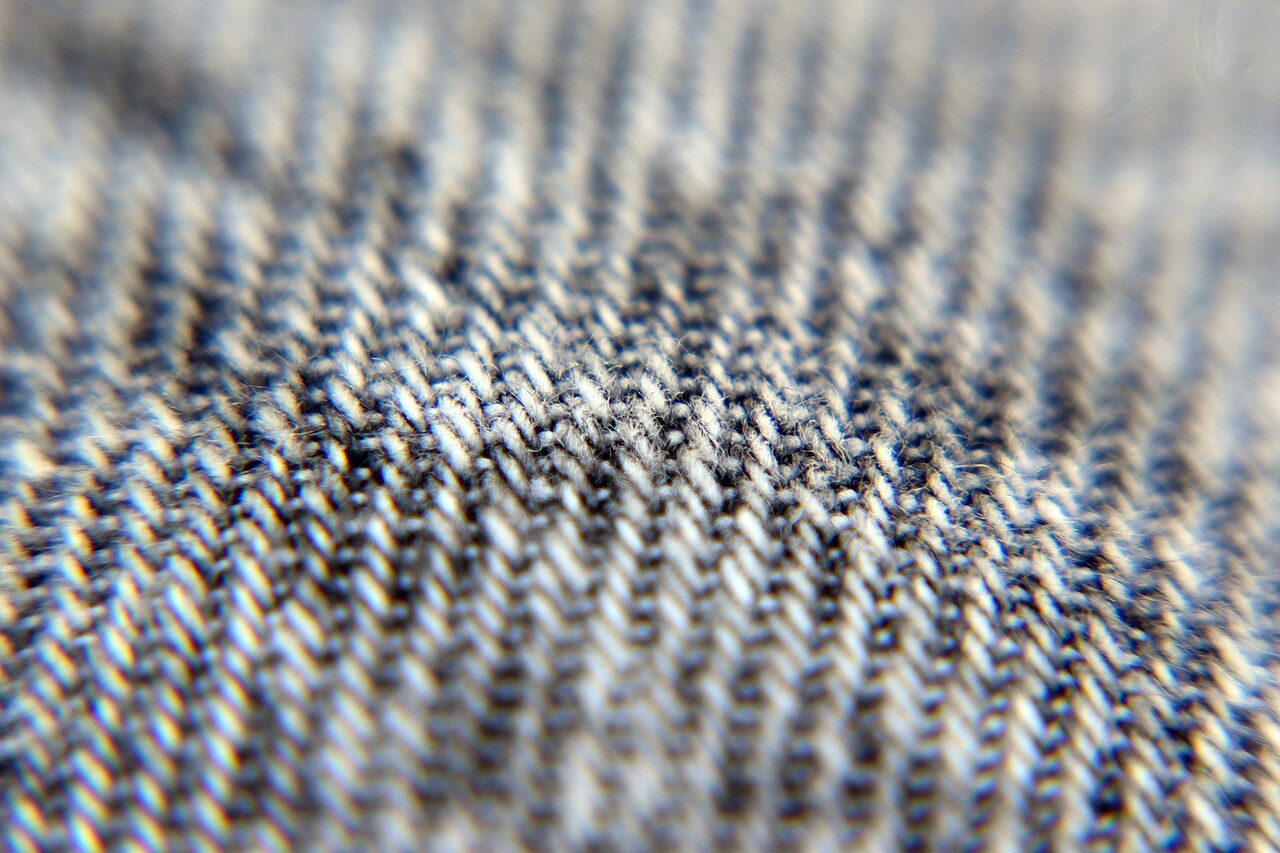
Cotton is the most common baby clothing fibre. It is soft, breathable and tolerates hot washes. Knit cotton (jersey, interlock, rib) stretches, which makes it comfortable for bodysuits and sleepers. Cotton can shrink in the first wash and dries more slowly than synthetics. Organic cotton is grown under organic farming standards. That describes how the fibre was farmed, not necessarily how the finished garment was processed (see our post on textile labels).

Bamboo viscose
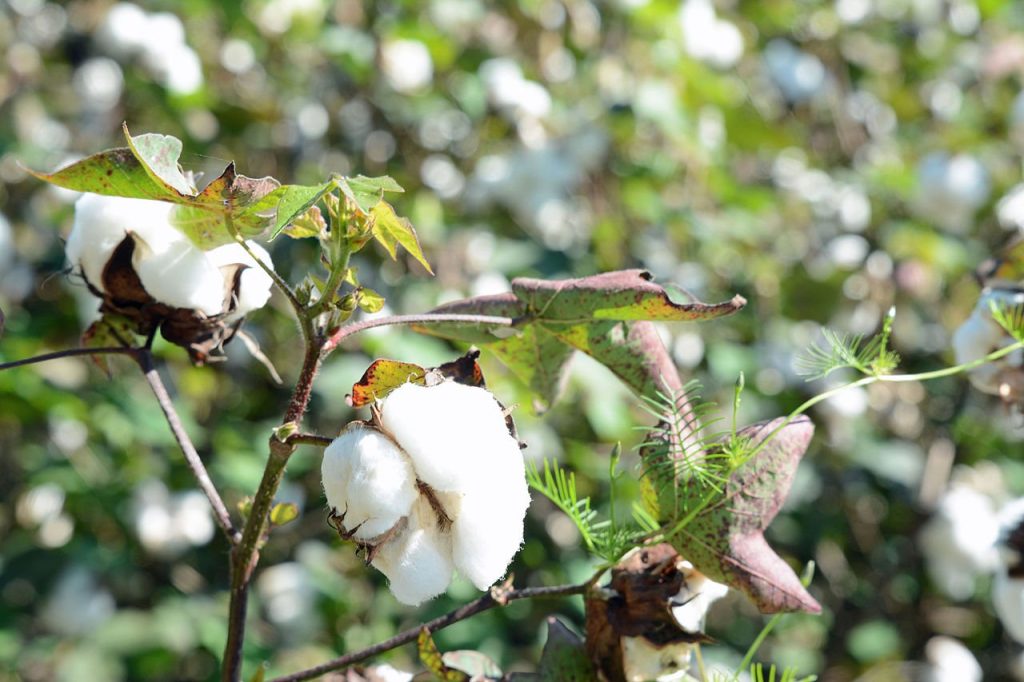
Fabric sold as “bamboo” is usually viscose or lyocell, a regenerated cellulose fibre made by chemically dissolving bamboo pulp. It feels very soft and drapes well, and it is often blended with elastane. In the United States, the Federal Trade Commission requires such products to be labelled as “rayon made from bamboo” or similar, not simply “bamboo”. Viscose can be less durable than cotton and may need gentler washing.
Merino wool
Merino is a fine wool that is softer than ordinary wool. It insulates while it is damp, and it handles a range of temperatures, which is why it is used for base layers and sleep sacks in cooler climates. It usually needs a wool or gentle cycle and costs more. Fabric weight matters: lightweight merino is very different from a thick knit.
Synthetics and blends
Polyester and fleece are durable, dry quickly and are often used for outerwear and some sleepwear. They breathe less than natural fibres, so watch for overheating, especially at night. In the United States, children’s sleepwear must meet federal flammability standards, either through flame-resistant fabric or a snug fit. The U.S. Consumer Product Safety Commission (CPSC) explains these rules.
Things to check on any fabric
- Seams, tags and embellishments that might rub.
- Care label instructions you can realistically follow.
- Weight and warmth relative to your climate.
- Snug fit for sleepwear, as described on the label.
If your baby has skin concerns, ask your pediatrician for guidance. Fabric choice alone shouldn’t be relied on to treat any condition.
Knits and weaves
How a fabric is constructed matters as much as its fibre. Knit fabrics are made from interlocking loops, so they stretch. Jersey is thin and light; interlock is thicker and smoother on both sides; rib knit has extra stretch and is used for cuffs, necklines and fitted leggings. Woven fabrics such as poplin, muslin, chambray and flannel don’t stretch much. They’re used for rompers, shirts and swaddle cloths. Muslin, a loosely woven cotton, is popular in hot climates because air passes through it easily.
Linen
Linen is made from flax. It is very breathable, gets softer with washing, and is often used for summer rompers and occasion wear. It wrinkles easily and doesn’t stretch, so loose, simple cuts are common. Linen-cotton blends combine some of the coolness of linen with the softness of cotton.
Fleece and other warm fabrics
Polyester fleece is warm, light and dries quickly, which makes it common for outerwear, pram suits and some sleepwear. It breathes less than wool, so it suits outdoor layers better than all-day indoor wear in heated rooms. Cotton fleece and brushed cotton (flannel) are warmer than plain cotton jersey and more breathable than synthetic fleece. In the US, snug-fitting cotton sleepwear and flame-resistant polyester sleepwear are both permitted, which is why both are on the market.
Comparing the main options
- Cotton: soft, breathable, easy to wash hot; can shrink; moderate durability.
- Bamboo viscose: very soft and smooth; drapes well; usually needs cooler, gentler washing; can pill.
- Merino: regulates temperature well; stays warm when damp; needs a wool cycle; more expensive.
- Linen: very breathable; good for heat; wrinkles; no stretch.
- Polyester and fleece: durable; quick-drying; less breathable; can hold odours.
Warmth ratings and TOG
Sleep sacks and some sleepwear are labelled with a TOG (thermal overall grade) value, a measure of how much the fabric insulates. Lower numbers, around 0.5 to 1, are meant for warm rooms; around 2.5 for cooler rooms; higher values for cold rooms. Manufacturers usually list a recommended room temperature range. These ratings are a guide; the NIH Safe to Sleep campaign and the American Academy of Pediatrics safe sleep guidance emphasise avoiding overheating, so check the baby’s neck or chest for warmth.
Sustainability
Every fibre has environmental trade-offs. Conventional cotton uses a lot of water and pesticides; organic cotton avoids synthetic pesticides but can use more land. Viscose production involves chemical processing, and lyocell uses a closed-loop process that recovers most of its solvent. Synthetics come from fossil fuels and shed microfibres when washed. Buying fewer, durable items and passing them on, or buying secondhand, often makes more difference than the fibre itself. See our secondhand guide.
Reading the fibre label
Clothing labels in most countries must list fibre content by percentage. A label reading 95% cotton, 5% elastane describes a stretch cotton jersey, while 70% viscose from bamboo, 30% cotton describes a blend. Certification labels such as OEKO-TEX or GOTS are separate and voluntary; our article on textile labels explains what they mean.
This article is general information about clothing, not medical advice. For questions about your baby’s health, skin or sleep, talk to your pediatrician or health visitor.
Discover more from Baby Fashion
Subscribe to get the latest posts sent to your email.