Washing baby clothes is not very different from washing any other laundry, but small babies produce a lot of it, and many parents prefer to take a few extra precautions. This guide covers the basics.
Wash before first wear
New clothes can carry sizing agents and dust from manufacturing and storage. A wash before first use removes these and shows how much a garment shrinks. Remove stickers, plastic tags and loose threads at the same time.
Choosing a detergent
Many families use a fragrance-free, dye-free detergent for baby clothes. A separate “baby” detergent isn’t required, and a regular fragrance-free product works the same way. Use the dose on the packaging, since too much detergent can leave residue. Fabric softeners can reduce the effectiveness of flame-resistant sleepwear finishes, so check the garment label. If your baby has skin irritation, ask your pediatrician.
Reading the care label
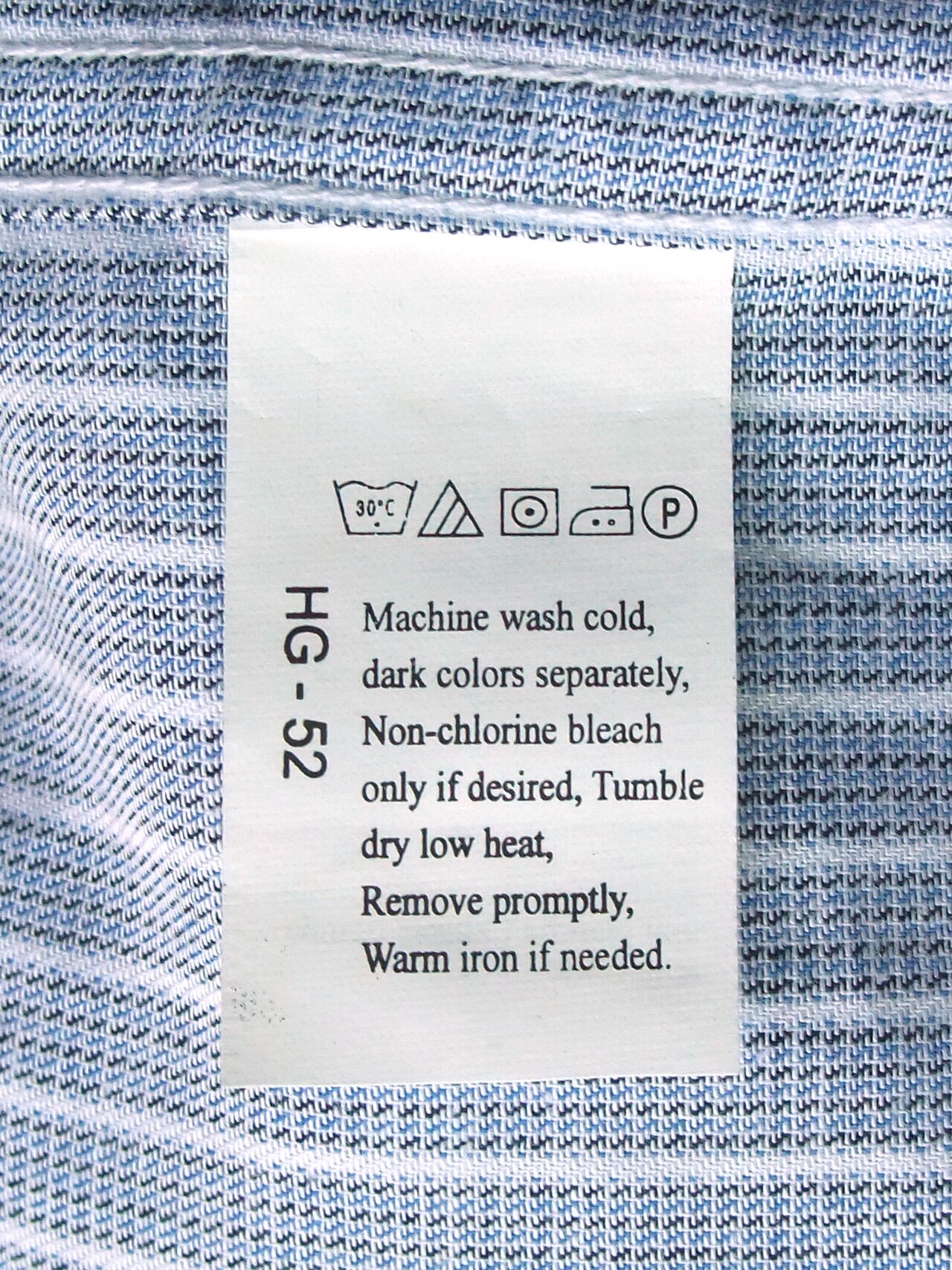

Care labels use standard symbols. A tub shows washing (dots or a number give the temperature), a triangle shows bleaching, a square shows drying, an iron shows ironing, and a circle shows dry cleaning. A cross through any symbol means “do not”. Follow these for wool, viscose and garments with prints.
Machine settings
- Warm (30–40 °C) suits most everyday cotton items; hotter washes may shrink them.
- Use a gentle or wool cycle for merino and delicate knits.
- Close zips and fasten snaps before washing to reduce snagging.
- Small socks are easy to lose; a mesh laundry bag helps.
Common stains
- Milk and formula: rinse in cold water first, because hot water can set protein stains.
- Nappy or diaper leaks: rinse cold, pre-treat with detergent, then wash as normal.
- Fruit and vegetable purée: pre-treat and wash. Drying in sunlight can fade many plant-based stains.
Drying
Line drying is gentle on fabric and on elastic. Tumble drying on high heat shrinks cotton and wears out stretch fibres faster. Check that clothes are fully dry before storing them.
How often to wash
Baby clothes need washing after each wear if they are soiled, but lightly worn layers such as cardigans can often be worn more than once. Many families run small, frequent loads in the early weeks. Washing baby clothes together with the rest of the household laundry is common and generally fine, especially if everyone uses the same fragrance-free detergent. Heavily soiled items are best rinsed first and washed separately.
Cloth nappies
If you use cloth nappies, follow the manufacturer’s washing routine, which usually involves a rinse or short pre-wash followed by a longer, hotter main wash. Many brands advise against fabric softener, because it can reduce absorbency. Using too little detergent is a common cause of odours, and using too much can cause build-up. Manufacturer instructions and cloth nappy organisations are the best guides.
Delicate items
- Merino and other wool: wool or hand-wash cycle, cool water, wool detergent, dry flat to keep the shape.
- Viscose and bamboo blends: cool or warm gentle cycle; avoid high-heat tumble drying, which can shrink or pill the fabric.
- Knits with prints: turn inside out to protect the print.
- Heirloom and christening garments: hand wash gently or seek specialist cleaning; avoid bleach and hot water on old lace and silk.
Flame-resistant sleepwear
Some children’s sleepwear is made from inherently flame-resistant polyester, and some is treated with a finish. Care labels on flame-resistant sleepwear may advise against fabric softener, bleach or certain detergents, because these can affect flame resistance. Follow the care label. Snug-fitting cotton sleepwear doesn’t rely on a chemical finish, and the U.S. Consumer Product Safety Commission (CPSC) explains how the two types differ.
Stain treatment without harsh chemicals
Most baby stains are protein-based (milk, formula, spit-up, nappy leaks) or plant-based (fruit and vegetable purée). Cold water first, then detergent, works well for proteins. Enzyme detergents break down protein stains effectively; whether you use them is a personal choice, and fragrance-free versions are available. Sunlight naturally fades many stains on white and light cotton. Avoid mixing cleaning products, and keep all laundry products out of children’s reach; laundry detergent pods in particular are a known poisoning hazard for young children, and the U.S. Consumer Product Safety Commission (CPSC) advises keeping them sealed, stored up high and out of sight.
Drying and storing
- Line dry or tumble dry on low; high heat shrinks cotton and damages elastic.
- Check that clothes are completely dry before storing to avoid mildew.
- Store outgrown clothes clean, dry and in breathable containers or bags.
- Wash stored clothes again before reuse; they can pick up dust and odours.
Water temperature and energy
Modern detergents work well at lower temperatures, and washing at 30–40 °C saves energy and is gentler on fabrics. Hotter washes may be advised by a care label, or for heavily soiled items such as cloth nappies. If someone in the household is ill, ask your health professional or follow public health advice for laundry.
Skin sensitivity
Some babies get irritated skin. Detergent residue and fragrance are possible contributors, but there are many other causes. Using a fragrance-free product, measuring doses carefully and adding an extra rinse are simple steps some families try. If irritation persists or concerns you, ask your pediatrician or health visitor for advice rather than relying on laundry changes alone.
This article is general information about clothing, not medical advice. For questions about your baby’s health, skin or sleep, talk to your pediatrician or health visitor.
Discover more from Baby Fashion
Subscribe to get the latest posts sent to your email.