Holidays are a popular time to dress babies up, for family gatherings, religious services and photos. The best holiday outfits look festive while still letting the baby move, stay a comfortable temperature, and get a quick nappy change.
Comfort first
- Choose soft knits or lined fabrics. Stiff tulle, sequins and scratchy trims can irritate.
- Look for snaps at the crotch or legs, even on dressier outfits.
- Bring a plain backup outfit; spit-up is common at long events.
Festive without the fuss
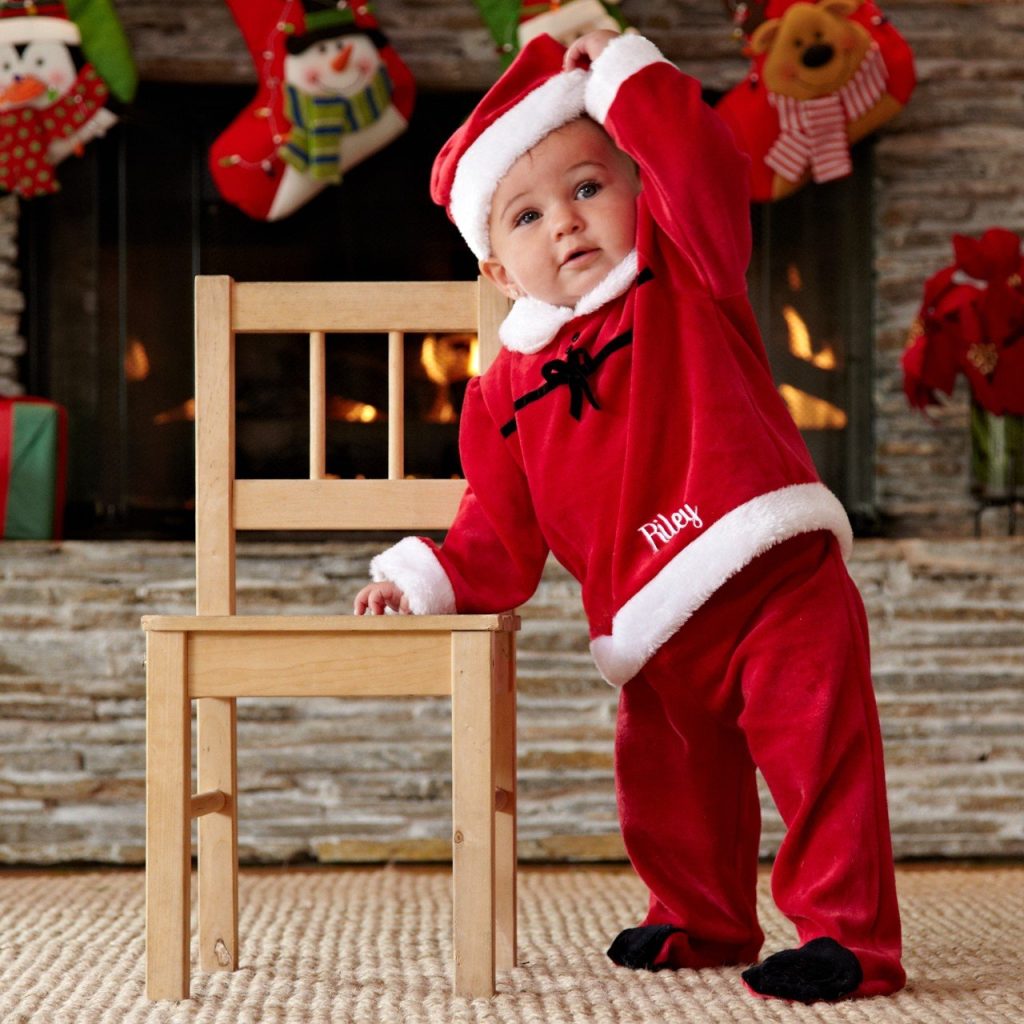
Colour does most of the work. Deep reds, greens, navy, cream or the colours tied to a particular celebration look festive in a simple sleeper or romper. Knit cardigans, velvet-look trousers, collars and patterned socks add a dressed-up touch without many small parts.

Layers for changing temperatures
Holiday gatherings often move between cold outdoors and warm, crowded rooms. Layering a cardigan or vest over a bodysuit makes it easy to adjust. See our guide to winter layering, including the car-seat advice on bulky coats.
Check decorations and small parts
Bows, pom-poms, bells, sequins and buttons can come loose and become a choking hazard. Check that decorations are securely sewn on, and remove anything loose. Costume-style headbands and accessories should be removed before naps. Our post on baby clothing safety covers what to look for, and the U.S. Consumer Product Safety Commission (CPSC) publishes guidance on small parts.
Naps at events
If the baby will sleep during the event, change them out of the dressy outfit into normal sleepwear, and follow the usual NIH Safe to Sleep guidance wherever they nap.
Ideas by type of occasion
- Family gatherings at home: a coloured sleeper or a romper with a cardigan; comfortable enough for a nap after changing.
- Religious services and ceremonies: simple dressier pieces such as a collared romper, a knit dress with tights, or trousers and a shirt-style bodysuit.
- Outdoor events and markets: warm, layered outfits suited to the weather, with a festive hat or socks.
- Summer holidays and celebrations: linen or muslin in light colours, with a sun hat and shade.
- Costume-style celebrations: soft, well-fitting costumes with no masks, cords or loose parts; plain sleepwear for naps.
Fabrics that look festive
Velvet-look knits, brushed cotton, corduroy, fine-gauge knits and cotton with metallic-free prints give a festive feel while staying soft. Real velvet, satin and tulle look special but can be warm or scratchy and may need delicate care. Sequins and glitter shed and can come loose, so they’re best avoided for babies who put things in their mouths. Our fabric guide covers comfort and care.
Practical details
- Snap or zip openings at the crotch for fast changes.
- Elastic or adjustable waists rather than stiff waistbands.
- Tights for babies can be warm but are tricky to change; leggings or footed trousers are easier.
- Shoes are decorative only for babies who aren’t walking; soft booties are kinder.
- A bib over the outfit during feeds saves a change.
Traditional and heirloom outfits
Many families have special garments for occasions, such as christening or naming gowns, cultural dress, or outfits handed down through generations. Heirloom pieces can be fragile: check seams, lace and fastenings before use, and look for any loose beads or buttons. Our article on the history of baby fashion looks at some of these traditions.
Holiday photos
If photos are part of the day, dress the baby close to the time and keep a spare. Solid colours and soft textures photograph well, and coordinating colours across the family looks good without exact matching. See our photo outfit guide for more ideas.
Gifts of holiday clothing
Holiday clothing is a popular gift. Choosing one size up from the baby’s current size gives some room, and a simple design gets more wear than a one-day outfit. Gift accessories such as headbands, hair clips and bow ties should be checked for small parts, and are best used only while supervised and removed before sleep.
Travelling for the holidays
Long journeys and busy gatherings make comfort more important. Travel in comfortable clothes and change into a dressier outfit on arrival. For car travel, follow NHTSA car seat guidance advice on keeping bulky coats out from under the harness. If the baby will sleep somewhere unfamiliar, bring a travel cot or a safe sleep space and follow NIH Safe to Sleep guidance.
Cultural and religious dress
Many celebrations come with traditional clothing, from christening gowns and naming-ceremony outfits to festival wear such as lehengas, kurtas, hanboks or kimono-style garments made in baby sizes. These can be beautiful and meaningful. The same practical checks apply: soft linings against the skin, secure fastenings, no loose beads or mirror work that could come off, and easy access for nappy changes. Family members who know the tradition are often the best guides to what is appropriate for a baby’s age.
After the celebration
Special outfits are often worn only once or twice. Wash them promptly, treating food and milk stains in cold water first, and store them clean and dry. They make good hand-me-downs for younger relatives or friends, or keepsakes for the family. See our washing guide and our secondhand checklist for passing clothes on.
If a baby gets tired or overstimulated at a busy event, a quiet room, a change into plain, soft clothes and a feed usually help more than any outfit. Comfort tends to make for a happier day and better photos.
This article is general information about clothing, not medical advice. For questions about your baby’s health, skin or sleep, talk to your pediatrician or health visitor.
Discover more from Baby Fashion
Subscribe to get the latest posts sent to your email.